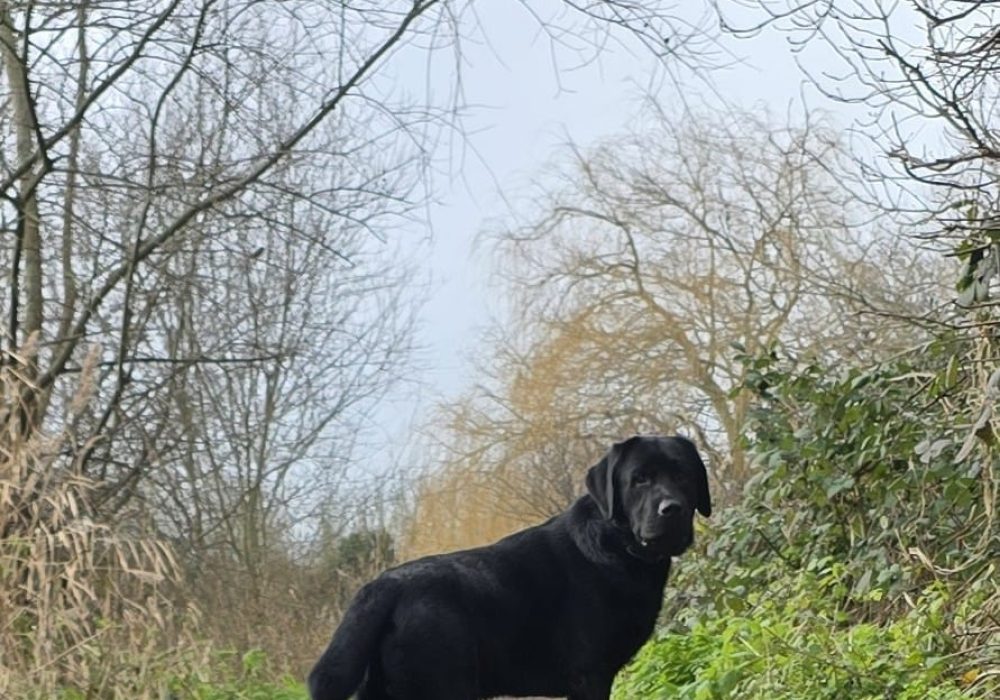
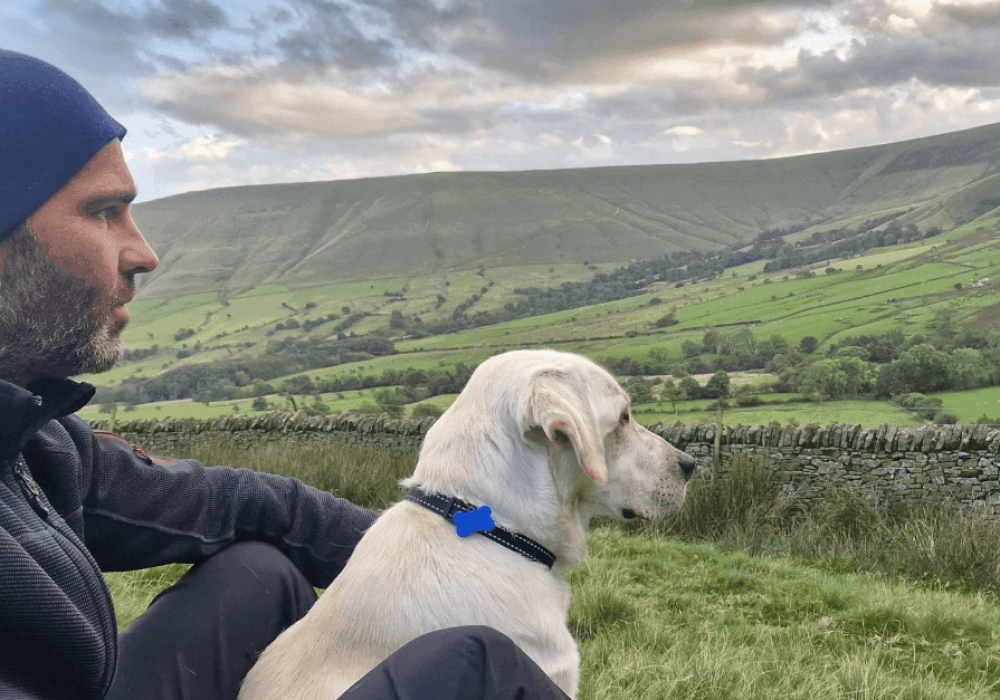
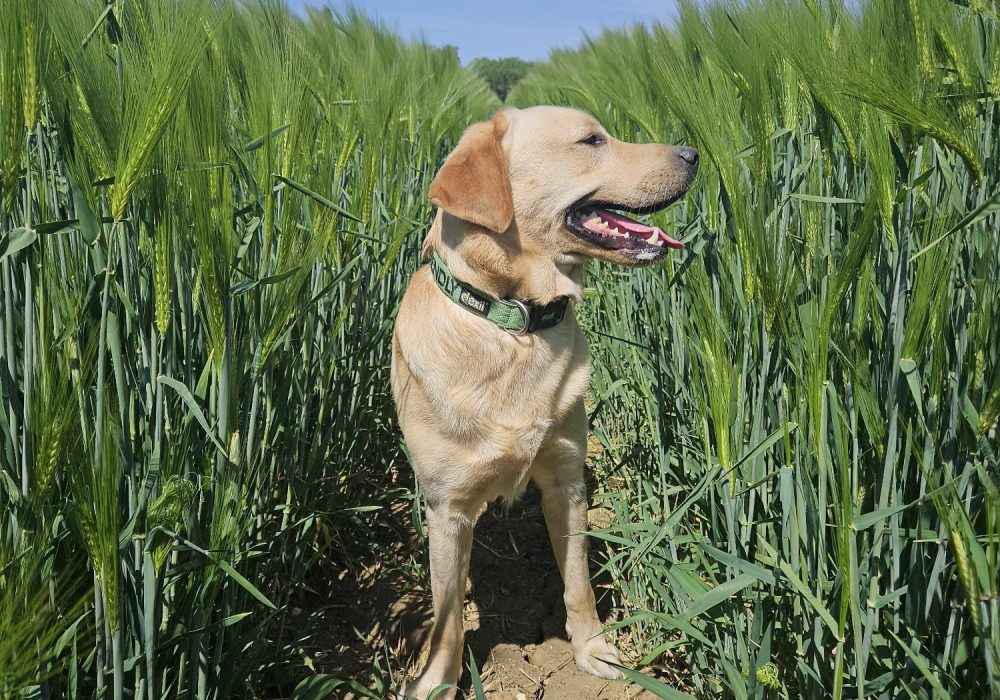
Autumn and winter bring rain, mud, and wet conditions—creating both challenges and opportunities for Labrador owners. While wet weather can feel messy, it also provides excellent exercise and enrichment for your Labrador. With the right approach, you can manage muddy walks effectively and keep both your dog and home clean and comfortable.
Understanding Your Labrador’s Water-Loving Nature
Labradors were originally bred to retrieve waterfowl in cold, wet environments. Their water-resistant double coats and love of water are genetic traits. Most Labradors don’t mind wet weather—many actively enjoy it.
Rather than avoiding wet conditions, embrace them while managing the practical challenges. Your Labrador will be happier, and with proper care, your home stays clean.
Pre-Walk Preparation
Check the Weather Before heading out, assess conditions. Heavy rain might warrant protective gear, while light drizzle may not. Temperature matters too—very cold rain combined with wind requires extra consideration.
Protective Gear Consider these items for wet weather:
- Dog Raincoat: Reduces water saturation in the coat, especially useful in heavy rain
- Protective Booties: Protect paw pads from mud, sharp objects, and salt (if used on pavements)
- Reflective Gear: Essential for dark, wet conditions when visibility is low
- Waterproof Lead and Collar: Protects equipment and aids visibility
Not all Labradors tolerate gear willingly. Introduce protective items gradually with positive reinforcement.
Managing Muddy Paws
The Designated Entry Station Create a muddy paw management area near your door:
- Towel Rack: Keep several old towels easily accessible
- Paw Basin: A shallow basin of water allows quick paw rinsing before entering
- Absorbent Mat: Place just inside the door to catch residual water and mud
- Storage: Keep shoes, leads, and coats in this area
This concentrated station prevents mud from spreading throughout your home.
The Foot Wash Routine After wet walks, wash your Labrador’s paws:
- Use lukewarm water in a basin or sink
- Gently wash each paw, including between toes
- Pay special attention to the fur between pads (where mud accumulates)
- Dry thoroughly with towels
This routine takes 5 minutes and dramatically reduces indoor mud. Most Labradors quickly adapt to post-walk paw washing, especially if it becomes routine.
Protecting Your Labrador’s Health
Paw Pad Health Wet weather stresses paw pads. Monitor for:
- Cracking or dryness (winter’s biggest paw pad issue)
- Cuts or wounds from sharp objects hidden in mud
- Salt or chemical irritation (from road treatments)
- Overgrown hair between pads
Protective Measures
- Trim hair between paw pads regularly
- Apply paw balm after drying (especially important in winter)
- Consider booties if pads show irritation
- Rinse paws even if not particularly muddy—chemicals and salt linger
Ear Care Wet conditions mean wet ears—a breeding ground for infections. After water exposure:
- Gently dry ears with a soft cloth
- Check for redness or odor
- Avoid inserting cotton swabs deep into the ear canal
- See your vet if ear irritation persists
Skin Health Constant moisture can cause skin issues. If your Labrador spends extended time wet:
- Dry thoroughly when home
- Ensure adequate air circulation to prevent moisture-related irritation
- Monitor skin for redness or itching
- Maintain regular grooming to monitor skin condition
At-Home Drying
Immediate Drying As soon as you arrive home, dry your Labrador thoroughly:
- Towel Dry: Use multiple towels to absorb water. Focus on the undercoat, which holds moisture
- High-Velocity Drying: For particularly wet coats, a high-velocity dryer (used carefully) removes water from the undercoat effectively
- Air Drying: In mild weather, allow some air drying in a warm, well-ventilated space
- Human Hair Dryer: Avoid—too hot for dog coats
A well-dried Labrador is more comfortable and less prone to skin issues.
Post-Walk Rest After wet walks, allow your Labrador to rest and fully dry before allowing them back onto carpets or furniture. A crate or designated drying area works well for this purpose.
Clothing and Home Protection
Protective Home Items Manage household impact with practical items:
- Washable Rugs: Place in high-traffic areas to protect carpets
- Furniture Covers: Protect sofas and beds where your Labrador rests
- Washable Bedding: Use easily washable dog beds that can be changed frequently
- Protective Throws: Drape over furniture to absorb moisture and mud
Washing Frequency Increase bedding and furniture cover washing during wet seasons. Weekly or bi-weekly washing keeps everything fresh and hygienic.
Nutritional Support for Wet Weather
Wet conditions and cold temperatures increase energy expenditure. Your Labrador may need:
- Increased Calories: More activity in challenging conditions burns more energy
- Higher Quality Protein: Supports coat health and muscle maintenance
- Omega-3 Fatty Acids: Support skin and coat health during moisture-prone seasons
- Hydration: Ensure constant access to fresh water
Discuss nutritional adjustments with your vet, especially if your Labrador’s activity level increases significantly.
Exercise in Wet Conditions
Benefits of Wet Weather Exercise Don’t let mud deter you. Wet conditions offer excellent exercise:
- Mud provides resistance, increasing exercise intensity
- Water play strengthens muscles and builds confidence
- Mental stimulation from new scents and environments
- Natural cooling prevents overheating
Safe Wet Weather Walking
- Use well-lit routes (wet conditions reduce visibility)
- Stay alert to hazards: deep puddles, hidden holes, or fast-moving water
- Avoid water that’s moving rapidly or very cold
- Keep your Labrador on lead near roads (mud affects traction and stopping ability)
- Check paws during walks for injuries or lodged objects
Managing Odor
Wet Labradors can develop a strong “doggy” odor—the infamous “wet dog smell.” This is natural but manageable:
Prevention
- Dry thoroughly after wet exposure
- Maintain regular bathing schedules
- Ensure good air circulation in spaces where your Labrador rests
- Wash bedding and covers frequently
Management
- Use enzymatic room sprays (tackle odor at the source)
- Open windows when weather permits
- Use dog-safe deodorizing sprays
- Avoid artificial fragrances that mask rather than address odor
If odor is overwhelming, discuss with your vet—it could indicate skin issues requiring treatment.
Winter Muddy Walks: Special Considerations
Road Salt and Chemicals Winter often means roads are treated with salt and chemicals for de-icing. These irritate paw pads and are toxic if ingested.
- Rinse paws thoroughly after walks on treated surfaces
- Consider protective booties
- Avoid allowing your Labrador to lick their paws excessively
- Apply paw balm to protect pads
Cold and Wet Cold, wet conditions stress the body. Older Labradors or those with health issues may need shorter walks or additional protection.
Training for Wet Weather Cooperation
Well-trained Labradors adapt quickly to wet weather routines. If your Labrador is accustomed to structure and handling (as professionally trained Labradors are), they’ll accept:
- Protective gear without resistance
- Paw washing routines
- Drying procedures
- Muddy walk management
Use positive reinforcement to reinforce cooperation with wet weather protocols.
Enjoying Muddy Walks
Ultimately, muddy walks are a natural part of dog ownership, especially with Labradors. Yes, they’re messy. But they’re also:
- Excellent exercise
- Mental enrichment
- Natural and healthy
- Enjoyable for your Labrador
Accept the mess as part of the joy of dog ownership. With proper management, it’s easily controlled.
Conclusion
Managing muddy walks doesn’t mean avoiding them—it means preparing well and managing the practical challenges. Create a paw-washing station, invest in protective gear, maintain regular grooming, and embrace wet weather as part of your Labrador’s natural enrichment.
With the right approach, autumn and winter mud is manageable, and your Labrador gets the exercise and enrichment they need. Start implementing these strategies today, and you’ll find muddy walks far less daunting.