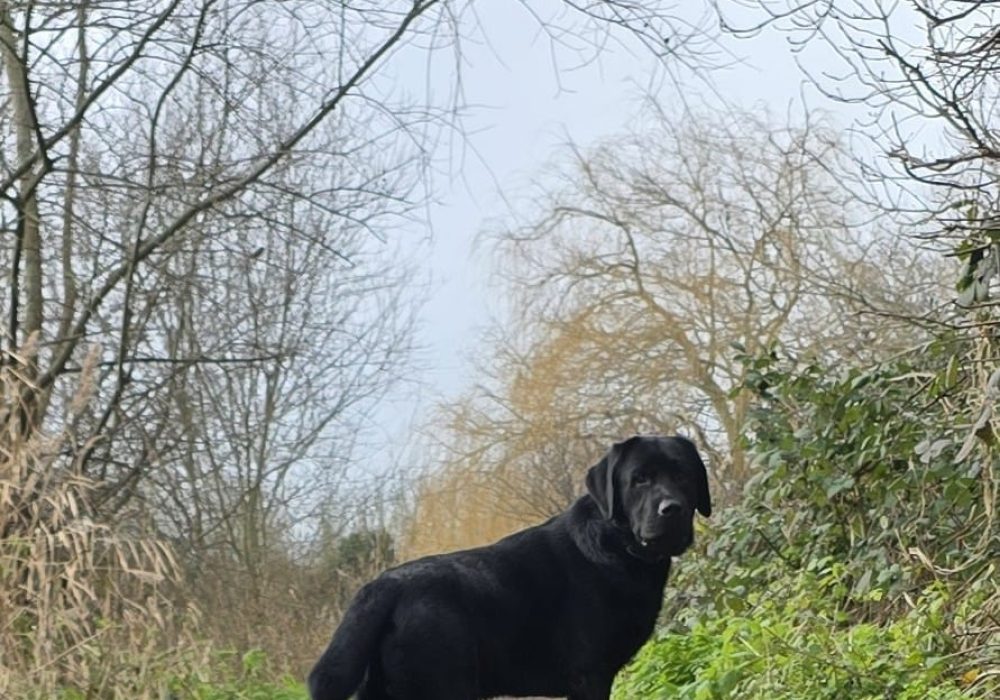
Winter and Labradors are actually perfect together. Their double coats are literally designed for cold weather. They love snow.
They genuinely enjoy winter conditions. But winter walking does require proper management—not because Labradors can’t handle it, but because roads get treated with salt, temperatures drop, and paw pads suffer if you’re not paying attention.
So let’s talk about what actually needs to happen to keep your Labrador healthy, happy, and safe through winter.
Understanding Your Labrador’s Winter Coat
By late autumn, your Labrador has grown their full winter coat. It’s thicker, it’s denser, it’s genuinely impressive. This coat is perfect for cold weather. It’s water-resistant (because they’re water dogs), it’s insulating, and it’s actually all your dog needs to stay warm.
Unlike some breeds, Labradors don’t need winter coats. Their own coat handles it brilliantly. However, if you live somewhere genuinely extreme (very far north, mountain conditions), additional protection might make sense. But for most UK winter? Their coat is sufficient.
What does matter is grooming.
Daily brushing during shedding season, regular brushing through winter, and proper grooming prevents mats and keeps the coat functioning properly.
A matted coat stops insulation working, which defeats the purpose. Keep the coat clean and dry when possible. Wet, muddy coats take ages to dry and create skin issues.
Quick paw wash after walks helps. So does towel-drying when you come home from wet walks.
Basically: trust the coat. Your Labrador is literally designed for winter.
Paw Pad Protection: The Real Winter Challenge
Here’s where winter actually affects Labradors: paw pads. Not the cold itself. The salt and chemicals used on roads. Most UK councils treat roads and pavements with salt during winter. This is rough on paws. It causes cracks, irritation, and if ingested (which dogs do when they lick their paws), it’s genuinely dangerous. What you actually need to do: Wash paws after walks. Genuinely.
Get a bucket of lukewarm water, dunk their paws, wipe them clean. This removes salt and grit. It takes five minutes. It prevents loads of problems. Apply paw balm matters. Apply after washing, especially before bed. Paw balm protects pads from cracking and irritation. Dog-specific balm (not human moisturiser) is essential. Consider booties for particularly salty routes.
Some families swear by them. Others dogs hate them. You know your dog. If they’ll tolerate them and you walk on heavily treated roads, they genuinely help. Keep hair between pads trimmed. This prevents ice balls forming (literally ice clumping between toes, which is painful and creates traction issues). Check pads regularly. Look for cracks, sores, or damage.
Catch problems early before they become infections. This genuinely matters. Winter paw problems are preventable with basic care, but can become serious if ignored.
Winter Walking: Making It Actually Enjoyable
Winter weather is miserable for humans. That’s just reality. But for your Labrador? It can actually be brilliant. Snow is genuinely fun for Labradors. They love it.
Cold weather means they don’t overheat during exercise (unlike summer when they can get uncomfortable). Winter walks are genuinely pleasant if you dress properly yourself. What makes winter walks work: Adjust timing slightly. Daylight is limited. Morning walks might need to shift earlier.
Evening walks happen in darkness. Plan accordingly. Well-lit routes are safer. Shorter doesn’t mean less exercise. Winter conditions mean your dog works harder. Mud provides resistance. Snow requires more effort. Shorter walks can actually be more tiring than longer summer walks. Don’t feel guilty about slightly shorter outings—your dog’s getting good exercise.
Waterproof gear helps you. Your dog’s coat is water-resistant. You’re not. Waterproof jacket and trousers make winter walks actually bearable for you. Your dog doesn’t care if you’re miserable, but you’ll walk more if you’re comfortable. Mind icy pavements. Not for your dog—they handle it fine. For you and their safety. Slippery conditions mean leash control is more important.
Off-lead time might need reducing on icy days. Use your judgment. Avoid gritted areas if possible. We’ve talked about salt. If you can choose non-gritted routes, do.
If you can’t, just make paw care priority. Basically: winter walks are genuinely fine. Just be prepared, manage paws, and actually go out. Your dog needs exercise regardless of temperature. You just need the right mindset.
Health Monitoring Through Winter
Beyond paw care, winter requires general awareness: Hydration matters even in cold. Dogs still need water. They might not feel thirsty, but dehydration is real. Offer water regularly even though they’re not overheating. Watch for shivering. Labradors genuinely don’t shiver from cold—their coat prevents it.
If your dog is shivering, something’s wrong (illness, anxiety, etc.). That’s not normal cold response. Monitor weight. Some dogs lose weight in winter due to increased exercise. Others gain from being less active. Check body condition regularly. Skin issues. Cold, dry air creates skin problems.
If your dog’s scratching excessively or has dry patches, discuss with your vet. Moisturising bedding and appropriate bathing helps. Energy levels. Some dogs naturally slow down in winter. That’s fine. Just make sure it’s not excessive lethargy, which might indicate underlying issues. Basically: winter isn’t inherently dangerous for Labradors. It just requires basic awareness and care.
Your Labrador is literally designed for this weather. Trust your dog’s winter abilities. Just manage the practical stuff (paw care, gritted roads, basic monitoring) and you’ll be fine.